
DART Iteration 2: Laying the Product Groundwork (Days 1–3)
Turning ideas into actionable products through clarity and validation.

Iteration 2 was an exciting journey of discovery, growth, and collaboration. From November 4-9, we welcomed a new group of passionate founders ready to challenge themselves and bring their ideas to life. Over the course of five intensive days, participants embraced a rapid pace of learning—refining concepts, testing prototypes, and adapting quickly based on real user feedback.
The atmosphere was electric, with founders diving headfirst into each challenge. They worked together, learned from one another, and leveraged the expertise of mentors to move their ideas forward. The journey wasn't without its challenges, but every hurdle became an opportunity for growth. By the end of the week, founders had not only transformed their ideas but also themselves, gaining the confidence and skills needed to take their solutions to the next level.
The first three days of our program are dedicated to crafting the foundation of a successful product. From defining the problem you’re solving to prototyping solutions and testing your ideas, these sessions are designed to help you refine your vision and align it with your audience's needs.
Now, let’s explore what participants experienced during Days 1–3 and uncover key takeaways from these crucial stages.
Day 1: Defining the Problem and Mission
The journey began with a deep dive into understanding the core issues that each founder wanted to tackle. Participants were guided to critically assess the significance of the problems they identified, questioning whether these problems were truly worth solving. Through interactive workshops and guided discussions, founders were encouraged to go beyond surface-level challenges and uncover the underlying needs of their target audience.
This day set the foundation for the rest of the program, helping founders to articulate their mission with clarity and purpose. By the end of the day, participants had a well-defined problem statement and a clear mission that would drive their project forward.
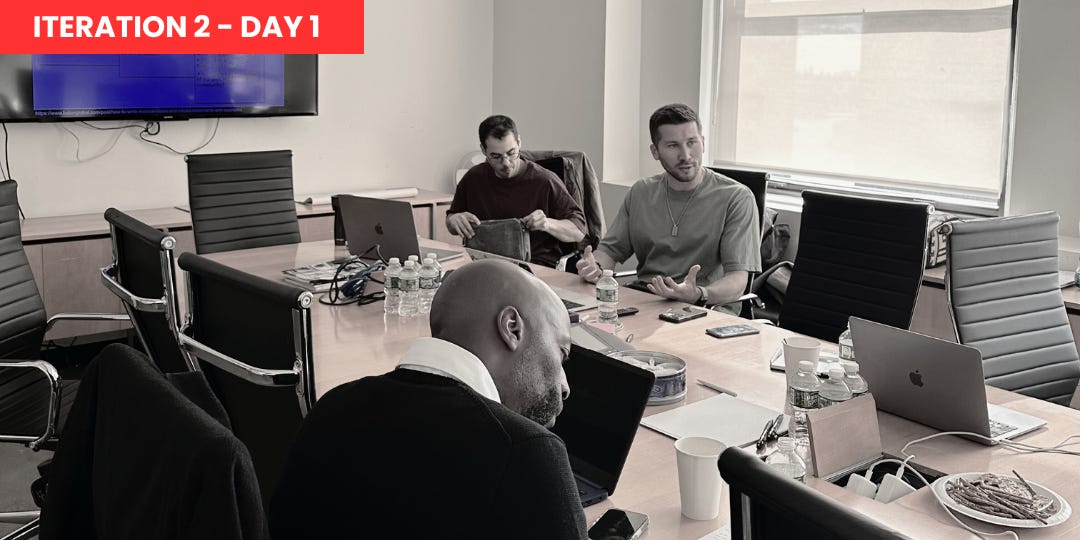
The first day was about focusing on the core problem. Participants worked to understand whether the problem they were solving was real, significant, and worth pursuing. Through workshops, they learned to clearly articulate their mission and ensure it had a meaningful impact.
Day 2: Developing a Solution
With a solid understanding of the problem, Day 2 was about ideation and solution development. Participants worked collaboratively to brainstorm various ways to address their core problems. They focused on identifying solutions that would have a direct impact, using real user insights to refine their approach. Mentors provided guidance on how to effectively test assumptions and validate solutions early, ensuring that participants stayed aligned with user needs.
This iterative process helped participants to narrow down their ideas to those that were most viable and impactful, giving them a clearer direction for the next stages of development.
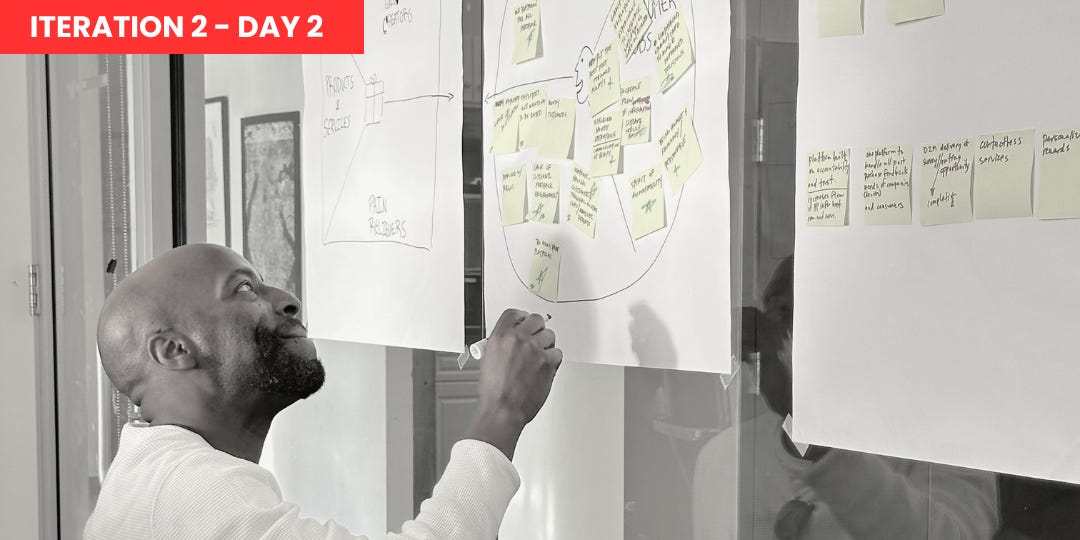
On Day 2, the emphasis shifted to building a solution. Participants worked on defining how their solution would directly address the problem, while also gathering early user insights. They tested assumptions, validated their ideas, and ensured they were on the right track.
Day 3: Building a Prototype
On Day 3, it was time to bring ideas to life. Participants worked hands-on with prototyping experts to transform their validated solutions into tangible prototypes. Whether it was a digital interface, a physical product, or a service blueprint, each founder created something that users could interact with. The emphasis was on creating something functional, even if it was rough around the edges, to gather initial feedback.
This hands-on experience was both challenging and rewarding, as founders were able to see their concepts materialize into something real and testable. The rapid prototyping process gave participants a sense of accomplishment and provided a crucial learning opportunity about the importance of creating early, imperfect versions to learn from user interactions.
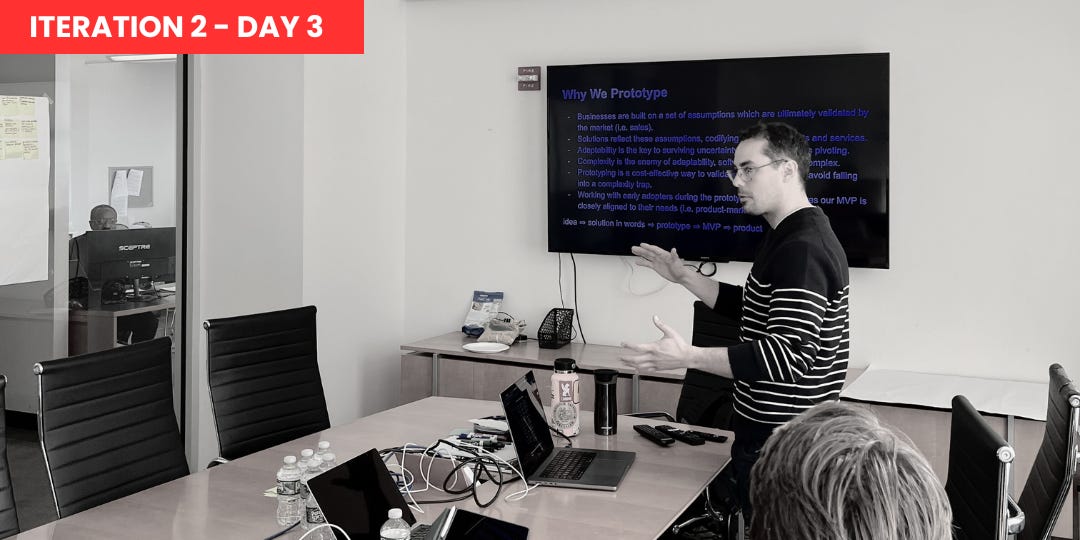
The third day was all about bringing the solution to life. Working with prototyping experts, founders turned their validated ideas into tangible prototypes—something users could engage with. The intense hands-on experience helped founders see their ideas materialize.
Key Takeaways from Iteration 2 (Day 1-3)
Iteration 2 was a powerful learning experience, pushing founders out of their comfort zones and into the world of rapid innovation. Here are some of the key lessons and insights participants shared:
"It helped me rethink my entire mission and the real problem that I am trying to solve."
"It was very useful to create a fast prototype and seek feedback around it so quickly. I’m shocked that process can happen in one afternoon."
"It taught me a process to test ideas a lot quicker than I've ever done, and I especially liked the customer interaction as soon as possible. It helps with keeping up momentum."
Stay Tuned for More Updates
We'll be sharing insights on Day 4 and Day 5 soon, including how participants tackled business modeling, market fit, and honed their pitches with expert guidance.
Stay tuned to learn more about how the founders continued their journey beyond prototyping!
Looking Forward to Iteration 3
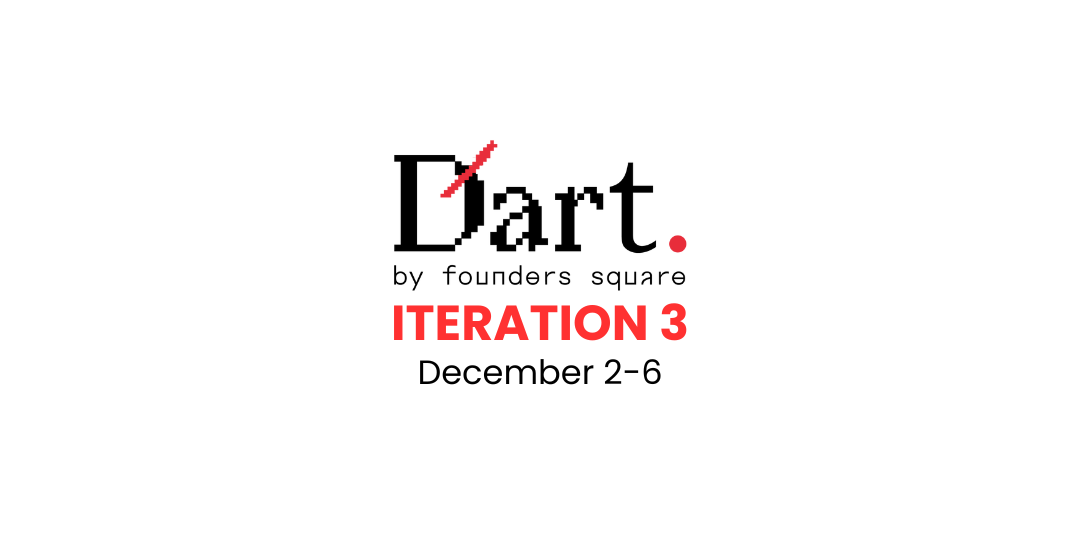
We’re thrilled with the progress made during Iteration 2 and are now preparing for DART Iteration 3, happening from December 2-6. If you’re ready to join the journey and bring your idea to life, apply now to secure your spot. Applications close on November 24, so don't wait!
We’d love for you to be part of this journey. If you have any questions or want to discuss your startup idea, feel free to reach out. The next big thing could be just five days away.
Let’s make things happen—together. 🤝